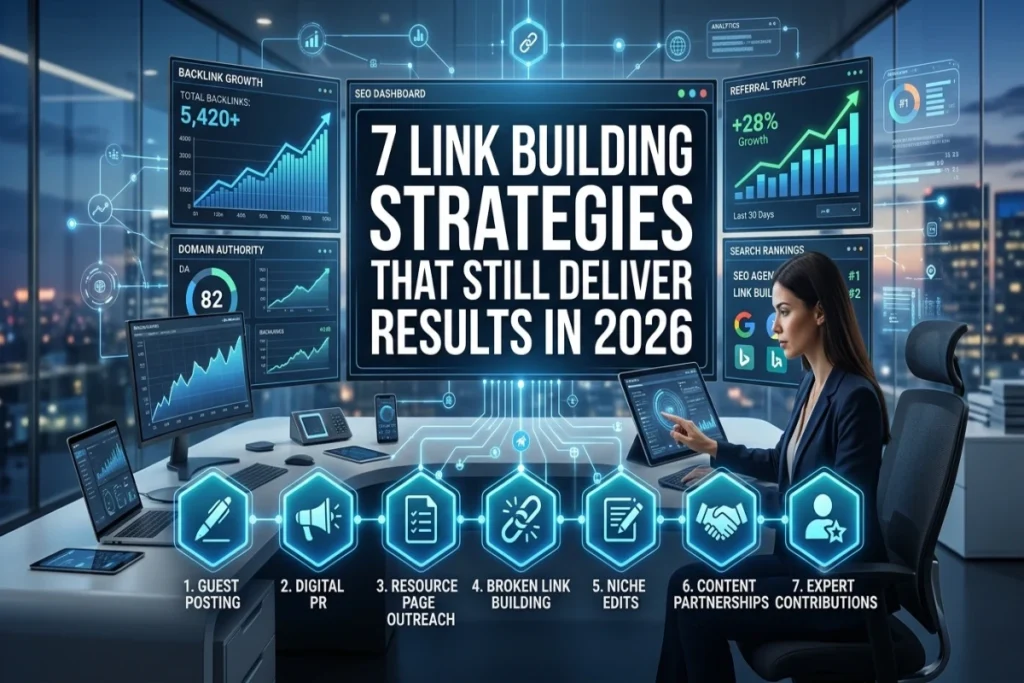
Here is a question every website owner, SEO professional, and digital marketer is asking right now: Do backlinks actually still matter in 2026?
The definitive answer is yes—but you must approach them more strategically than ever before.
Inbound links have served as a core search engine ranking factor since the early days of the web. While that fundamental reality remains true, how search algorithms evaluate those links has evolved completely. In 2026, search engine systems—supercharged by incredibly advanced machine learning and AI—assess much more than a simple link count. Today, they heavily scrutinize contextual alignment, topical authority, source trustworthiness, and genuine editorial intent behind every connection.
The data speaks for itself. Pages occupying the top three positions on search engine results pages boast an average of 3.8 times more backlinks than websites sitting in positions four through ten. High-quality references absolutely still move the needle. However, the exact playbook for earning them has changed completely.
The legacy tactics of the past—such as blasting generic, templated outreach emails, purchasing cheap packages from shady brokers, or spinning thin content across blog networks—are no longer just ineffective. They are explicitly dangerous for your brand. Advanced algorithmic spam detection systems now analyze hundreds of billions of links simultaneously, identifying unnatural footprints and manipulative patterns at a scale that was completely impossible just a few years ago.
To succeed in this strict environment, your brand must adapt. This comprehensive guide covers the exact link building strategies that are genuinely moving the needle in 2026. These proven frameworks are fully grounded in E-E-A-T guidelines (Experience, Expertise, Authoritativeness, and Trustworthiness) to help you build durable organic traffic instead of temporary ranking spikes.
Implementing white-hat link building strategies is crucial because, as detailed in the official Google Search Essentials Guidelines, search engines strictly prohibit manipulative link schemes designed to artificially game rankings.
Whether you are an independent creator trying to get a new blog off the ground, a SaaS founder striving to scale domain authority, an affiliate marketer outmaneuvering tough competition, or an agency specialist managing complex client portfolios, this resource provides an actionable, updated blueprint. Dive in to learn how to secure premium, future-proof backlinks that align with modern search landscapes. By executing these refined link building strategies, you will position your digital assets for sustained visibility and long-term organic growth.
The most successful websites in competitive niches consistently invest in proven Link Building Strategies because backlinks remain one of the strongest authority signals in modern search engines. A strategic approach helps brands earn trust, visibility, and long-term rankings.
Section 1: Why Link Building Still Matters in 2026
Backlinks as Vital Trust Signals
Google’s primary objective remains unchanged: delivering the most reliable, topically precise content to users for every search query. To achieve this, search engines rely heavily on incoming hyperlinks as core trust signals. When a reputable, niche-specific website links directly to your platform, it acts as an editorial vote of confidence. This action signals to search crawlers that your resource is highly credible, safe, and valuable to readers.
In the modern search landscape, these organic recommendations continue to hold immense weight within core ranking algorithms.
Effective Link Building Strategies are no longer focused on quantity. Instead, they prioritize relevance, authority, and editorial trust, helping websites build sustainable search engine visibility.
The Shift Toward Topical Relevance Over Raw Authority
A defining shift in modern optimization is the prioritization of hyper-targeted topical alignment over generic domain metrics. Earning a backlink from a massive, multi-niche news site with high domain ratings carries significantly less weight today than a contextual link from a smaller, mid-tier website that is deeply rooted in your exact industry.
Search algorithms have grown incredibly sophisticated at parsing semantic relationships and content groupings. When you deploy modern link building strategies, your primary goal must be securing placements from topic-adjacent sources. This tells search engines that genuine industry peers trust your work.
AI-Powered Search and the New Value of Authority
The rapid expansion of AI Overviews and generative search features has fundamentally changed how information is sourced. AI engines are trained to pull insights from digital assets that demonstrate unmistakable real-world authority. Getting cited by trusted industry nodes heavily increases your chances of being featured as a primary source inside AI-generated summaries and conversational answers.
Key Insight: Modern link acquisition directly fuels your visibility in AI-driven search results, moving far beyond traditional blue-link rankings.
E-E-A-T and Its Relationship with Inbound Links
Search guidelines explicitly reward digital properties that showcase deep Experience, Expertise, Authoritativeness, and Trustworthiness (E-E-A-T). One of the most transparent indicators of real industry expertise is when external professionals actively reference your data, quotes, or case studies. A clean backlink profile composed of relevant, authoritative domains serves as undeniable, tangible proof of your brand’s E-E-A-T standing.
To better understand how these shifting dynamics affect your day-to-day optimization efforts, you can study the industry-standard Moz Guide to Link Building, which highlights why modern search algorithms reward organic relationship-building over manual manipulation.
Quality vs. Quantity: The 2026 Standard
When auditing or planning your modern SEO campaigns, it is vital to distinguish between toxic link configurations and healthy, future-proof citations.
| Evaluation Factor | Low-Quality Backlinks | High-Quality Backlinks |
| Source Relevance | Unrelated niches, PBNs, or generic directories | Topically aligned, niche-specific domains |
| Editorial Intent | Paid placements, automated spam, or footprint-heavy footprint links | Natural, earned editorial endorsements |
| Link Placement | Disconnected footers, sidebars, or massive link lists | Seamlessly embedded within the main body text |
| Anchor Text | Over-optimized, repetitive exact-match phrases | Natural, varied variations blending brand and partial-matches |
| Domain Trust | Low-trust history, spammy neighborhoods | Clean link profiles, highly respected domains |
| Referral Traffic | Little to no real human visitor activity | Active, engaged, real-audience traffic streams |
| Indexing Status | Pages hidden from search or explicitly de-indexed | Fully indexed, easily crawlable destination pages |
The reality of modern search engine optimization is undeniable: executing refined, high-quality link building strategies that yield ten exceptional links from trusted, high-traffic sources will completely outperform ten thousand low-tier spam links.
Businesses that focus on quality-first Link Building Strategies often see stronger ranking improvements than competitors relying on outdated mass-link acquisition tactics.
Section 2: Strategy #1 — Create Linkable Assets
The absolute pinnacle of sustainable search engine optimization lies in creating high-quality resources. Instead of constantly chasing superficial opportunities, the most scalable link building strategies involve designing content and interactive tools so remarkably valuable that other websites naturally want to reference them without a single outreach email.
These high-performing pieces are known as linkable assets. They act as passive link magnets because they solve pressing user problems, present entirely unique data, or streamline complex workflows. By prioritizing these assets within your broader link building strategies, you shift away from manual prospecting and move toward earning authoritative digital equity organically.
High-Authority Content Types That Naturally Attract Backlinks
Not all content is created equal when it comes to earning digital endorsements. If you want to maximize your overarching link building strategies, focus your production efforts on these proven, link-magnetic formats:
Ultimate Guides and Comprehensive Resources
Long-form, exhaustively researched pillars that dissect a topic completely outperform surface-level blog posts. When a journalist, educator, or industry blogger needs to reference an authoritative source, they look for the absolute gold standard. If your guide is the most thorough resource on the web, you win the editorial link by default.
Original Research and Proprietary Industry Studies
Data is arguably the most potent currency on the internet. Launching original surveys, analyzing internal datasets, or publishing unique industry benchmarks creates an irreplaceable piece of web real estate. Journalists and market analysts constantly need hard statistics to validate their claims, and web standards dictate they must cite the original source. Incorporating original data into your link building strategies can fuel your brand’s growth for years, earning hundreds of passive referring domains over time.
Free Interactive Tools and Calculators
Software-as-a-content is an incredibly potent weapon for modern digital marketing. When a professional discovers a free tool that simplifies their daily routine, they bookmark it, share it on social media, and link to it from their own sites.
Interactive tools have become a cornerstone of modern Link Building Strategies because they provide immediate value and encourage organic sharing across websites and communities.
For instance, utility-driven resources like a Free Keyword Idea Generator, a Free Semantic Keyword Generator, or an Advanced Keyword Generator Tool provide immense value to digital marketers. Because these tools offer instant, actionable utility, they regularly get featured in resource pages, industry roundups, and online communities, securing powerful backlinks completely on autopilot.
Downloadable Templates and Checklists
Ready-to-use templates for common operational workflows—such as editorial calendars, content briefs, SEO audit checklists, or outreach trackers—are highly shareable because they eliminate manual labor for the user. If you can streamline a common task with an interactive spreadsheet or a downloadable asset, you have built a powerful link magnet.
Visual Assets and Custom Infographics
Process diagrams, data visualizations, and original infographics are frequently embedded by third-party creators looking to illustrate their own points. To learn more about how visual and high-value content assets influence overall search performance, you can explore Backlinko’s Guide to On-Page SEO, which details content optimization tactics. The secret here is true originality; transforming public data into a basic graphic yields far fewer results than visualizing your own proprietary research.
Expert Tip: The Linkable Asset Creation Framework
Building a link magnet requires a deliberate, tactical approach. Use this four-step framework to ensure your content assets successfully attract high-quality backlinks and support your link building strategies:
1.Uncover Niche Pain Points:Step 1.
Research online communities, forums, and search trends to identify a genuine knowledge gap or operational bottleneck in your industry.
2.Build the Definitive Resource:Step 2.
Develop an asset—whether a tool, guide, or study—that is indisputably better, more thorough, or more user-friendly than any existing alternative.
3.Execute Strategic Promotion:Step 3.
Launch targeted email outreach to introduce your newly minted asset to webmasters, publishers, and influencers who actively cover that specific topic.
4.Commit to Regular Updates:Step 4.
Periodically refresh your asset with new data or features to maintain its relevance, historical rankings, and long-term link equity.
Ultimately, the dividing line between standard content and a true linkable asset is its irreplaceability, which is the cornerstone of all great link building strategies. When auditing your current portfolio, ask yourself a blunt question: If a creator needed to cite just one definitive source on this topic, would they absolutely have to choose mine
Section 3: Strategy #2 — Digital PR and Data-Driven Outreach
Data-backed Link Building Strategies can generate powerful media mentions, helping brands secure authoritative backlinks from trusted publications and industry websites.
Digital PR represents the modern evolution of off-page optimization, seamlessly blending traditional public relations with data-driven link building strategies. In today’s highly competitive search landscape, this approach has emerged as an incredibly powerful and scalable method for securing high-authority backlinks from major news publications, niche media outlets, and premier industry sites.
When executed correctly, digital PR becomes one of the highest ROI Link Building Strategies available to businesses seeking long-term authority growth.
What Defines Digital PR Today?
Digital PR focuses entirely on producing highly newsworthy content assets—such as proprietary research studies, expert commentary, or compelling, data-backed narratives—and strategically pitching them to journalists, editors, and digital publishers who write for your target audience.
The primary objective is to secure natural editorial coverage. The high-value backlinks that come with this coverage originate from domains with strict editorial standards, massive search authority, and highly engaged audiences. Integrating this media-focused methodology into your core link building strategies ensures your backlink profile grows naturally through authoritative third-party endorsements.
Why Digital PR Distinctly Outperforms Legacy Outreach
Traditional link-building outreach often relies on cold emails that ask webmasters for a favor, such as inserting a link into an existing article or accepting a generic guest post. Digital PR flips this dynamic entirely. Instead of begging for placement, you provide busy journalists with a compelling, turnkey resource that supports their daily reporting.
By offering exclusive data, a timely quote, or a specialized expert perspective that cannot be found elsewhere, you become a valuable asset to the writer. Within these media-centric link building strategies, the resulting backlink isn’t a transaction—it is a mandatory editorial citation used to credit your data source.
Step-by-Step Digital PR Framework
To land placements on top-tier publications, your campaigns must be highly structured. Here is a five-step execution framework designed to maximize your media outreach:
1.Uncover Newsworthy Angles:Step 1.
Determine what data is currently missing in your industry. Find out what topics experts are debating or what macro trends remain undocumented, and build your story around that specific knowledge gap.
2.Produce a Data Asset:Step 2.
Launch an original survey, compile public datasets, or interview respected professionals. The final asset must be hosted on your site as a clean, easily citable reference page.
3.Build a Targeted Media List:Step 3.
Identify specific journalists who actively cover your niche. Review their recent articles to ensure alignment, and build a clean contact list using professional databases, LinkedIn, or social media networks.
4.Draft a Concise, High-Impact Pitch:Step 4.
Keep your outreach emails short—ideally three to four sentences. Lead immediately with your most shocking or interesting data point, explain why it matters to their specific readers, and provide a clear link to the full asset.
5.Execute a Strict One-Time Follow-Up:Step 5.
If you don’t receive a reply, send a single polite follow-up email after five to seven business days. Sending multiple follow-ups crosses into spam territory, which can permanently damage your brand’s reputation with that reporter.
The Evolution of Media Platforms
The journalist-sourcing landscape has shifted dramatically over the years. The legendary platform Help a Reporter Out (HARO) has officially shut down, paving the way for more modern, spam-resistant alternatives. Services like Qwoted, Featured, Source of Sources (SOS), and SourceBottle now actively connect journalists with corporate expert sources.
For example, to understand how modern press relations integrate with strict search engine requirements, you can study Search Engine Journal’s Guide to Link Building, which details foundational authority-building concepts. Routinely monitoring these PR platforms and providing rapid, high-quality responses is an exceptionally efficient tactic to add to your daily link building strategies.
💡 Pro Outreach Tip
The absolute biggest mistake marketers make in digital PR is leading their pitch with a direct backlink request. You should never explicitly ask a journalist for a link. When you provide genuinely valuable data or authentic expert commentary, the citation happens naturally. Reporters who feel they are being manipulated for SEO purposes will simply delete your pitch or block your domain.
Section 4: Strategy #3 — Strategic Guest Posting
Guest posting continues to rank among the most reliable Link Building Strategies because it combines authority building, referral traffic, and brand exposure.
Guest blogging has been declared dead repeatedly by various digital marketing circles over the past decade. It is absolutely not dead. However, the antiquated version of guest posting that was widely practiced before—pitching low-quality content to any random webmaster willing to accept it in exchange for a keyword-stuffed backlink—is completely obsolete.
In today’s sophisticated search landscape, strategic guest posting is built upon genuine thought leadership, targeted audience exposure, and establishing long-term authority within your specific niche. When executed with precision and a commitment to quality, it remains one of the most reliable white hat link building strategies available to businesses and SEO practitioners alike.
What Drives Success in Guest Posting Today
To move the needle on your organic performance, your external publishing efforts must adapt to modern search quality standards. If you want to maximize your link building strategies, shift your focus toward the following core pillars:
Hyper-Relevance Trumps Vanity Metrics: Context is everything. Securing a guest placement on a website that is deeply aligned with your specific industry and target audience carries significantly more search engine and brand value than a link from a high-Domain Rating (DR) site that covers completely unrelated topics.
Quality over Pure Volume: Publishing a single, exceptional, deeply researched guest feature each month on a genuine industry publication provides far more long-term value than blasting ten mediocre, surface-level articles onto obscure, low-tier blogs.
Author Authority and Credibility: Modern search engines evaluate the Experience, Expertise, Authoritativeness, and Trustworthiness (E-E-A-T) of the individual content creator, not just the hosting domain. Cultivating a recognized, authoritative byline across respected industry publications amplifies both the referral traffic and the foundational value of your link building strategies.
What Is No Longer Effective
Continuing to use outdated publishing tactics will actively harm your site’s reputation. When refining your link building strategies, make sure to eliminate the following bad habits:
Writing guest posts purely for link acquisition without providing real audience value.
Distributing identical or thinly spun content across multiple external websites.
Pitching irrelevant websites simply because they possess a high authority score.
Cramming multiple keyword-optimized exact-match anchor text links into a single article.
The Modern Guest Post Quality Checklist
Before committing time to outline or draft content for an external publication, run the target website through this strict quality assurance framework:
[ ] Niche Alignment: The website publishes content exclusively in your vertical or closely adjacent topic areas.
[ ] Strict Editorial Standards: The site maintains a visible editorial review process (articles are thoroughly edited, fact-checked, and formatted, rather than just instantly accepted).
[ ] Genuine Organic Traffic: The domain possesses healthy, consistent organic search traffic from real users, not inflated numbers driven by bots or click farms.
[ ] Audience-First Value: Your proposed topic serves the hosting site’s readers first, rather than just checking off your personal optimization goals.
[ ] Verified Author Profiles: Your author bio is authentic, consistent across the web, and features a clean, professional link back to your core brand domain.
[ ] True Content Originality: The material you are contributing is entirely unique and has not been published elsewhere on the web.
[ ] Exclusive Pitching: You are pitching specific, individualized article concepts to one target publication at a time, rather than blast-emailing the same idea to dozens of sites.
Successful Link Building Strategies always prioritize audience value first. High-quality guest contributions naturally attract engagement, shares, and editorial trust.
How to Uncover High-Quality Publishing Opportunities
Finding top-tier websites that welcome external experts requires a mix of smart search techniques and careful manual vetting. You can use specialized advanced Google search operators to locate resource hubs that actively accept expert contributions:
[your industry niche] + "write for us"[your industry niche] + "guest post guidelines"[your industry niche] + "contribute to our blog"[your industry niche] + "submit an article"
Once you gather a list of potential prospects, filter your discoveries by relevance, structural editorial quality, and organic visibility. For a deeper understanding of how modern search engines evaluate external citations and quality standards, you can consult the official Google Search Central Guidelines on Link Schemes, which outlines compliant behavior. Always verify a site’s genuine organic traffic trends using reliable analytics platforms before investing time and effort into crafting a personalized outreach pitch.
By executing this rigorous screening process, you ensure your guest blogging efforts remain safely aligned with high-impact, sustainable link building strategies.
Section 5: Strategy #4 — Resource Page Link Building
Resource page outreach remains one of the most overlooked Link Building Strategies, yet it consistently delivers highly relevant backlinks when paired with valuable content assets.
Resource page link acquisition remains one of the most underutilized, highly effective, and deeply underrated tactics in modern SEO. Instead of shouting into the void with generic cold emails, this specific approach focuses on identifying existing web pages that curate helpful third-party links for a target audience. By presenting your most valuable content or interactive tools to these curators, you can systematically secure high-impact placements that elevate your overall search visibility.
Understanding Resource Pages
Resource pages are intentionally curated directories of helpful links, software tools, comprehensive guides, or industry references maintained by webmasters for the direct benefit of their audience. Because their primary goal is to guide users to external solutions, these pages are naturally receptive to high-quality suggestions. They are incredibly common across educational platforms, niche industry blogs, nonprofit organizations, and dedicated community hubs.
Typical real-world examples of these pages include:
A university business department’s curated list of recommended digital marketing platforms.
A reputable B2B industry blog’s specialized page titled “Best Learning Resources for [Topic]”.
A nonprofit organization’s dedicated reference list built specifically for researchers and field practitioners.
How to Locate Authoritative Resource Pages
Uncovering these curated directories requires smart prospecting. You can use advanced Google search operators to pinpoint highly relevant resource hubs within your specific niche:
[your industry niche] + "resources"[your industry niche] + "useful links"[your industry niche] + "recommended tools"[your industry niche] inurl:resources[your industry niche] intitle:"resources"
As you discover these opportunities, compile them into a centralized tracking spreadsheet. Be sure to log the target URL, the webmaster’s contact email, domain authority metrics, a subjective relevance score, and the current outreach status for each prospect to keep your campaigns organized.
Why Interactive Tools Excel at Earning Placements
Curators of resource lists have an inherent bias toward interactive utilities and web software that solve immediate, practical problems for their visitors. Free software assets—such as a Free SEO Score Checker or a Free Keyword Density Checker—are exactly the types of audience-focused assets that page editors actively want to feature.
When your interactive tool provides immediate, undeniable value without forcing users behind a aggressive paywall, your outreach conversion rates skyrocket. Integrating these utility-based assets into your broader link building strategies transforms cold pitching from an uphill battle into a collaborative, value-driven proposition.
A High-Converting Resource Page Outreach Template
When launching an email campaign, your messaging should be brief, highly personalized, and entirely collaborative. You can study HubSpot’s Guide to Email Marketing to better understand how to optimize outreach message structures for higher response rates.
Use this proven framework to connect with page curators:
Subject: Resource suggestion for [Name of Resource Page]
Hi [Curator Name],
I was browsing through your [Name of Resource Page] directory earlier today and found it incredibly thorough—especially the section you put together covering [Specific Industry Topic].
Because your page focuses on providing actionable tools for your readers, I wanted to suggest a free resource that might make a great addition: [Name of Your Tool or Asset]. It is a completely free utility that [Briefly explain its primary function and unique benefit]. A few teams in the [Industry Name] space have been using it recently to streamline their [Specific Task/Use Case].
If you want to check it out, you can find it here: [Insert Your URL]
There is absolutely no pressure to feature it, but I thought it might add some genuine value to the excellent list you’ve already built. Either way, keep up the fantastic work!
Best regards,
[Your Name]
[Your Title/Company]
To ensure this template works effectively within your link building strategies, always adhere to three core principles: be specific about why their page caught your eye, clearly articulate exactly how your resource fills a gap for their audience, and make absolutely zero transactional demands.
Section 6: Strategy #5 — Topical Authority Content Clusters
Advanced Link Building Strategies increasingly rely on content ecosystems rather than individual articles, allowing websites to demonstrate expertise at scale.
In today’s digital landscape, one of the most effective and sustainable long-term link building strategies transcends traditional outreach altogether. Instead of relying solely on cold pitching, this method focuses entirely on your site’s structural content architecture. By building topical authority through tightly interconnected content clusters, you can demonstrate undeniable, deep expertise on a subject to both human users and search engine algorithms.
Demystifying Content Clusters
A content cluster is a strategic framework where your web content is organized systematically around a central, high-level “pillar page” and a dedicated group of supporting articles that dive deep into specific subtopics. Every supporting article contains an internal link pointing back to the core pillar page, and the pillar page links out to each supporting article. This structural design creates a tightly interwoven content ecosystem.
Search engine ranking systems recognize these organized ecosystems as clear evidence of genuine topical authority. Websites that cover a subject comprehensively from every angle consistently outperform sites that publish isolated, unconnected individual blog posts.
Why Content Ecosystems Earn Natural Backlinks
When your platform establishes itself as the deepest, most comprehensive repository of information on a specific subject, other content creators naturally begin to reference and cite it. For example, a blogger writing a high-level introductory article on a complex industry topic will inevitably need to link out to an authoritative, deep-dive resource to provide their readers with further context. If your cluster stands out as that definitive resource, you naturally earn the backlink.
This passive acquisition of high-value editorial mentions makes content architecture one of the most reliable, self-sustaining link building strategies a brand can deploy.
Visualizing Content Cluster Architecture
The table below illustrates how a standard marketing hub breaks down into a structured ecosystem, along with the natural referral opportunities each layer creates:
| Pillar Content | Supporting Cluster Content | Natural Backlink Opportunities |
| Ultimate Guide to SEO | Keyword Research 101, Complete SEO Strategy | Industry blogs looking to reference foundational search engine optimization tutorials. |
| On-Page Optimization Guide | Image SEO Best Practices, Semantic HTML Formatting | Educational platforms and digital marketing publications citing structural best practices. |
| Link Building Guide | Email Outreach Templates, Broken Link Prospecting | SEO tool developers, software-as-a-service (SaaS) websites, and agency resource directories. |
| Technical SEO Audit | Site Speed Optimization, Core Web Vitals Troubleshooting | Developer forums, web performance blogs, and IT infrastructure resources. |
| Content Marketing Hub | Content Brief Templates, Editorial Calendar Frameworks | Content marketing communities, business publications, and SaaS review platforms. |
Internal Linking: The Catalyst for Topical Authority
Strategic internal linking serves as the core connective tissue of any functional content cluster. It is vital that every single supporting piece of content links directly back to the primary pillar page, and that the pillar page links seamlessly out to each subtopic article. This intentional architecture allows link equity to pass freely throughout your entire website cluster, while simultaneously signaling to search crawlers exactly which pages are the most authoritative for each distinct subtopic.
When you pair this architecture with advanced discovery utilities—such as using a Long Tail Keyword Analyzer Tool to spot uncovered semantic content gaps and a Next-Gen On-Page SEO Checker to optimize each page’s conceptual relevance—content clusters become a compounding asset. They work to build your domain’s organic footprint and attract high-quality referral links at the same time.
Combining internal linking with topical authority creates a powerful foundation for Link Building Strategies that attract organic references from publishers and industry experts.
Embracing Semantic SEO Within Your Clusters
Modern on-page optimization has moved far beyond simple keyword matching; it requires complete semantic coverage. To gain a deeper understanding of how search engines evaluate text depth and context today, you can review the Google Search Central Guidelines on Helpful Content, which outlines how to create people-first information.
Every individual page within your cluster must fully address the complete web of related entities, common user questions, and secondary subtopics associated with its core theme. Satisfying these natural language processing requirements proves the absolute depth of your coverage, making your cluster the most obvious, authoritative reference point for anyone writing an article about that subject. Incorporating these comprehensive semantic principles into your overarching link building strategies ensures your content remains highly linkable and competitive for years to come.
Section 7: Strategy #6 — Broken Link Building
Practical Link Building Strategies often focus on solving problems for webmasters, making broken link building one of the most effective relationship-driven tactics available.
Dead link reclamation remains a highly tactical, highly scalable, and completely white hat option within modern search engine optimization. This specific methodology involves uncovering dead outbound hyperlinks on third-party websites within your industry and strategically presenting your own high-quality content as the ideal replacement.
The core reason this tactic succeeds where other promotional efforts fail is that it delivers immediate, practical value to the webmaster. By helping them repair a broken outbound link, you are actively improving their site’s internal user experience and page health. In return for your assistance, you secure a powerful editorial backlink, making this process a staple among sustainable link building strategies.
Step-by-Step Broken Link Building Workflow
To execute this tactic without wasting time on dead ends, you must adopt a methodical approach to discovery and outreach. Use this five-step sequence to streamline your campaigns:
1.Target Contextually Relevant Web Properties:Step 1.
Pinpoint high-authority pages in your specific niche that natively host numerous outbound links. Excellent places to start include resource directories, deep-dive industry reference guides, and comprehensive pillar articles.
2.Scan for Broken Links and 404 Errors:Step 2.
Audit your prospect pages using professional indexing platforms like Ahrefs or Semrush. For faster manual vetting, you can use specialized web browser extensions like Check My Links to instantly highlight broken status codes.
3.Qualify the Backlink Opportunity:Step 3.
Evaluate each dead link before reaching out. Ensure the broken resource resides in a contextually appropriate paragraph, that the destination domain holds solid authority, and that the original topic perfectly matches your target niche.
4.Map or Produce Quality Replacement Content:Step 4.
Review your current asset portfolio to see if you already have a piece of content that naturally replaces the dead resource. If a match doesn’t exist, weigh whether writing a brand-new article is worth the investment based on the site’s authority.
5.Deploy a Low-Pressure Outreach Pitch:Step 5.
Send a direct, personalized note to the webmaster alerting them to the issue. Keep your tone helpful and collaborative, positioning your URL as a convenient solution to their broken page element rather than demanding a placement.
A Proven, High-Response Outreach Template
When pitching a webmaster, your email must be clear, concise, and focused entirely on helping them fix their platform. To understand how search engines view outbound connection quality and overall domain health, you can consult the Moz Guide to External Links.
Use this clean messaging structure to optimize your outreach response rates:
Subject: Broken link on [Insert Page Title]
Hi [Webmaster Name],
I was going through your informational guide covering [Topic Name] this morning and noticed that one of the external links listed in the article—specifically the one referencing [Original URL or Anchor Text]—appears to be broken and points to a 404 error page.
I actually published an in-depth resource on this exact subject not long ago: [Insert Your URL]. If you are looking for an updated source to fill that gap for your readers, it might serve as a seamless replacement.
Either way, I just wanted to give you a heads-up about the dead link so you can clean up the page experience for your visitors!
Best regards,
[Your Name]
[Your Brand/Website]
Weighing the Pros and Cons of Dead Link Replacement
While this process is a highly reliable addition to your broader link building strategies, it is important to understand both its distinct benefits and its operational constraints before launching a campaign.
The Advantages
Completely White Hat: You are earning links by providing a tangible service to the site owner, completely removing the risk of algorithmic penalties.
Elevated Response Rates: Because your message starts by solving a technical issue on their domain, webmasters are far more likely to reply positively compared to cold promotional blasts.
Niche Scalability: By leveraging automated link crawlers, you can find dozens of broken resources across hundreds of target sites simultaneously.
The Limitations
Resource Intensive: The prospecting, scanning, and vetting phases require significant time commitments if you don’t possess the right premium software tools.
No Guarantee of Acceptance: Even if you help a webmaster identify a massive site error, they are under no obligation to use your suggested URL as the replacement.
Strict Quality Requirements: If your replacement content isn’t thoroughly researched and highly professional, editors will ignore your suggestion entirely.
Fluctuating Conversion Rates: Success rates can vary drastically depending on the overall competitive nature of your vertical and the personalization quality of your outreach.
Consistently weaving dead link replacement into your overarching link building strategies creates a recurring stream of safe, contextually rich editorial backlinks that naturally boost your domain’s organic footprint.
Section 8: Strategy #7 — Relationship-Based Link Building
Relationship-focused Link Building Strategies tend to generate stronger long-term results because trust and collaboration naturally lead to editorial mentions and backlinks.
Every standalone tactic used to improve search engine rankings becomes infinitely more effective when it is fueled by authentic human connections. At its core, relationship-based outreach functions as the ultimate overarching meta-strategy—it is the foundational approach that makes all other link building strategies execute better, convert higher, and remain deeply sustainable over time.
Why Genuine Connections Outperform Mass Automated Outreach
Consider the stark contrast between a cold promotional email hitting a busy webmaster’s inbox versus a direct message from a recognized peer they have previously interacted with, learned from, and learned to trust. The difference in response rates isn’t just marginally higher; it is orders of magnitude more successful.
When you invest time in cultivating real relationships with bloggers, journalists, podcasters, and industry regulators, digital collaboration transforms into a natural conversation rather than a transactional request. These partners share your material because they genuinely believe in its quality. They cite your platform as a primary source because they already know your brand is highly credible. Moving away from cold blasts and prioritizing long-term networking is what separates amateur tactics from elite link building strategies.
Five Proven Frameworks for Building Backlink-Yielding Relationships
Establishing a strong professional network requires showing up consistently where your peers gather. If you want to maximize your link building strategies, focus your networking efforts on these five high-yield channels:
1. Niche Communities and Industry Forums
Actively participate in the specific digital spaces, Slack channels, Discord servers, and forums where your target audience and industry peers deliberate. Focus entirely on contributing true value—answer complex technical questions, share un-gated insights, and engage in substantive discussions. Over time, you will become a recognized authority whose newly published content is referenced naturally across the web.
2. Podcast Appearances and Interview Features
Securing guest spots on industry podcasts and digital video channels is an exceptional way to generate contextual backlinks within show notes, episode directories, and companion blog recaps. More importantly, speaking on these platforms establishes your personal brand and topical authority in a way that dramatically accelerates all future relationship-building efforts.
3. Collaborative Content and Expert Roundups
Participating in or hosting expert roundups creates immediate mutual value. When you feature respected authorities within your own blog posts, those individuals frequently share and link back to the live piece out of pride. Conversely, when you contribute your own unique insights to someone else’s roundup, you earn a high-quality editorial link and establish a new professional ally simultaneously.
4. LinkedIn and Active Professional Networking
In today’s corporate landscape, professional networks have evolved into primary distribution channels for high-performing B2B content. Consistently publishing original industry breakdowns, commenting thoughtfully on your peers’ posts, and maintaining a highly visible profile builds immense relationship capital. To explore how corporate networking and content distribution impact modern visibility, you can examine Sprout Social’s Content Marketing Strategy Guide, which highlights authority-building workflows. This digital presence naturally translates into organic inbound links over time.
5. Cross-Brand Partnerships and Real-World Co-Creation
Co-authoring deep industry reports, co-hosting educational webinars, or co-producing interactive tools with complementary, non-competing businesses creates a shared investment in a project’s success. These strategic partnerships generate highly authentic backlinks, expose your brand to cross-pollinated audiences, and establish lucrative, long-term referral channels all at once.
Architectural Playbook: The Value-First Networking Mindset
| Networking Channel | Primary Action to Take | Expected Search Value Lifecycle |
| Niche Communities | Solve complex user problems daily without dropped links. | Long-term, passive reference citations from community members. |
| Podcasting/Interviews | Share contrarian, data-backed insights on air. | High-authority contextual links from media show notes. |
| Expert Roundups | Feature ascending industry voices on your corporate blog. | Rapid social syndication and high-velocity initial backlinks. |
| LinkedIn Positioning | Break down complex industry shifts into accessible carousels. | Organic editorial citations from tracking journalists and editors. |
| Brand Partnerships | Co-fund deep-dive proprietary market surveys. | Highly durable, permanent referring domains from co-creators. |
💡 Expert Tip: The Relationship-First Mindset
Never approach an industry peer with a backlink as your primary goal. Instead, enter every interaction with a genuine interest in the other person’s work and a clear desire to add value to their ecosystem. High-authority links should always be viewed as a natural byproduct of your established credibility, not a cold objective. The exact moment an editor or creator senses you are engaging with them purely to check off your link building strategies, the professional relationship is permanently over.
Section 9: Link Building Strategies That No Longer Work
When building a sustainable online presence, understanding which manipulative shortcuts to avoid is just as critical as executing the right optimization techniques. The search ecosystem has evolved dramatically, and search engine engineers have deployed highly sophisticated machine learning models to police web spam. Consequently, the following outdated approaches have been systematically targeted by modern anti-spam systems and carry an incredibly high risk of algorithmic penalties.
Highly Risky and Ineffective Tactics to Avoid
If you want to protect your digital asset’s long-term rankings, ensure your corporate link building strategies remain completely free from these hazardous, legacy practices:
1. Private Blog Networks (PBNs)
Private Blog Networks—which consist of webs of expired domains maintained solely to pass artificial backlink equity to a central target site—have long been a staple of black hat SEO. However, modern search algorithms have become remarkably adept at uncovering PBN footprints.
By analyzing patterns across IP addresses, identical hosting providers, repetitive content templates, and footprint-heavy interlinking structures, automated systems can easily flag these networks. Web properties caught participating in PBN manipulation face severe manual actions, algorithmic de-indexation, and sudden drops in organic visibility.
2. Automated Link Engineering Software
Utilizing automated software programs to blast your URL across low-tier web directories, drop comment spam, or mass-produce empty forum profile links yields absolutely zero search value. In worst-case scenarios, it triggers an immediate site-wide algorithmic penalty. Contemporary automated search systems process crawling patterns globally and flag unnatural link acquisition velocities with pinpoint accuracy.
3. Low-Tier Link Farms and Coordinated Exchanges
Reciprocal link networks and coordinated link farms—where large groups of webmasters systematically link to one another to manipulate authority scores—are easily unmasked through advanced graph analysis. Participating in these artificial schemes compromises the integrity of your backlink profile and actively dilutes your domain’s organic credibility.
4. Automated Blog Comment Spamming
Dropping keyword-stuffed anchor links into comment sections on completely unrelated blogs is entirely counterproductive. Most modern content management systems append rel="nofollow" attributes to comment sections by default, meaning they pass no authority whatsoever. Furthermore, this visible spamming behavior can severely damage your brand’s reputation among legitimate industry peers.
5. Low-Quality, Non-Curated Web Directories
Generic web directories that lack strict editorial review and attract zero real human traffic were devalued by major search engines over a decade ago. Submitting your business website to these legacy link repositories is a waste of corporate time and adds no measurable rank equity to your digital footprint.
6. AI-Generated Outreach Spam
The rise of large language models has unfortunately led to an influx of mass outreach emails generated by AI tools lacking authentic personalization or niche relevance. These automated blasts have flooded the inboxes of web editors worldwide, driving average response rates down to near zero. Beyond being entirely ineffective, getting marked as a spammer by journalists or site owners permanently blacklists your domain from future media opportunities.
The Reality of Modern Search Risks
| Outdated Link Tactic | Primary Detection Method | Potential Algorithmic Impact |
| Private Blog Networks | Shared hosting/IP footprints, content footprints, artificial cross-linking. | Complete de-indexation or severe manual action. |
| Automated Link Software | High link acquisition velocity, systemic low-quality source domains. | Sitewide suppression or manual spam penalty. |
| Link Farms/Exchanges | Pattern analysis of reciprocal linking graphs. | Total devaluation of incoming link equity. |
| AI Outreach Spam | Bulk email reporting, domain-level blacklisting by editors. | Permanent loss of natural PR and media placements. |
Navigating Algorithmic Realities
Modern search algorithms process inbound links at a global scale, making the vast majority of manipulative schemes easy to spot. For a deeper dive into safe optimization practices, you can study the Search Engine Land SEO Guide, which details safe optimization frameworks.
The risk-to-reward ratio of utilizing manipulative tactics has become overwhelmingly unfavorable. Any potential ranking improvements are marginal and fleeting, while the consequences—such as lasting algorithmic demotions—can permanently impair a company’s digital visibility. Prioritizing legitimate, content-driven link building strategies is the only reliable path to achieving durable search performance.
Section 10: The Future of Link Building Beyond 2026
The discipline of off-page optimization is undergoing a profound evolution. As search algorithms grow increasingly sophisticated, understanding the forward-looking trajectory of authority signals allows forward-thinking brands to invest their marketing capital strategically today.
Looking ahead, successful organic growth relies less on raw link volume and far more on comprehensive search brand equity. If you want to future-proof your digital presence, your foundational link building strategies must evolve to align with these emerging structural search signals.
Key Authority Signals Shaping the Next Era of Search
To stay ahead of competitive updates, digital marketers must expand their definitions of a backlink. The following emerging trends are redefining how modern search systems determine domain credibility:
Brand Mentions and Unlinked Digital Citations
Natural language processing systems are becoming highly adept at evaluating contextual brand mentions—instances where your corporate name or unique proprietary assets are referenced textually across the web without a functional hyperlink.
Modern architectures process these unlinked textual citations as implicit endorsements of authority and trust. While building broad brand awareness that inspires these mentions is a primary objective, executing targeted follow-up outreach to convert these existing textual references into active hyperlinks remains one of the most efficient tactical link building strategies you can deploy.
Entity SEO and Knowledge Graph Integration
Search indexing systems are shifting away from analyzing simple text strings and moving toward an entity-based understanding of information. Within the global Knowledge Graph, established brands, individual authors, and industry concepts are cataloged as distinct entities.
The structural connections established between these nodes signal systemic authority and credibility. Getting your digital properties referenced, cited, and closely associated with other pre-existing, high-trust entities in your specific vertical strengthens your overall entity position, providing a massive ranking lift entirely independent of traditional link counts.
Topical Authority Eclipsing Vanity Domain Metrics
The historic reliance on generic, third-party metrics like Domain Authority (DA) as a scalar measure of site strength is rapidly being eclipsed by contextual topical authority. Search systems evaluate how comprehensively, accurately, and credibly your ecosystem addresses a specific subject area.
Consequently, elite link building strategies must prioritize the structural depth of your content coverage and the extreme topical relevance of incoming referring domains over the raw, un-themed authority scores of linking sites.
Holistic User Trust and Engagement Signals
User engagement signals, branded organic search volumes, independent review profiles, and direct domain traffic are increasingly factored into holistic search quality assessments. When a clean, editorially earned backlink profile is paired with genuine user trust signals, it creates a compounding authority advantage. This dual-layered validation provides deep algorithmic protection that is exceptionally difficult for competitors to copy or manipulate.
AI Search Summary Citation Patterns
With the widespread adoption of automated, AI-generated search summaries as a primary entry point for informational web queries, securing citations within these generative summaries represents the new frontier of digital visibility.
Earning a coveted citation spot from these AI systems requires the exact same structural foundations as traditional, white hat optimization: data accuracy, exhaustive coverage depth, verified author credentials, and undeniable topical authority. Weaving these trust-building components into your overarching link building strategies ensures your brand remains the default reference engine for both traditional search crawlers and generative AI models.
Comparing Legacy vs. Future Authority Optimization
| Optimization Focus | Legacy Approach (Pre-2026) | Future Authority Approach (Beyond 2026) |
| Primary Metric | Raw Domain Rating / Domain Authority scores. | Topical relevance matching and entity proximity. |
| Link Format | Strictly forced exact-match HTML anchor text. | Contextual hyperlinks, implicit brand mentions, and citations. |
| Content Strategy | Fragmented keyword targeting across isolated posts. | Interconnected content clusters aiming for semantic completeness. |
| Target Engines | Traditional keyword-matching search indexes. | Semantic Knowledge Graphs and Generative AI engines. |
To dive deeper into how digital authority, semantic connectivity, and data relationships are classified on the web, you can study the W3C Semantic Web Standards Guide, which outlines the core technical foundations of structural data networks. Aligning your marketing efforts with these open-web entity concepts ensures your digital footprint remains highly competitive as search architectures continue to mature.
Section 11: Recommended SEO Toolkit for Link Builders
The execution of any modern off-page campaign relies heavily on specialized data intelligence. Deploying the right software solutions makes your chosen link building strategies substantially faster, more accurately targeted, and highly scalable.
Below is a curated ecosystem of advanced utilities explicitly engineered to power the high-impact promotional workflows discussed throughout this framework.
The Link Builder’s Diagnostic Ecosystem
| Tool | Primary Practical Purpose | Core Link Building Application |
| Free Keyword Idea Generator | Market demand & query research | uncovers highly linkable content themes; exposes missed competitor content gaps. |
| Free SEO Score Checker | Full domain & page health audits | Diagnoses structural or technical crawl issues prior to running outreach. |
| Free Semantic Keyword Generator | Natural Language Processing (NLP) entity mapping | Fuels semantic depth for massive linkable assets and content hubs. |
| SEO Cost Calculator | Campaign financial planning & budgeting | Models outreach resource allocation and calculates projected acquisition costs. |
| Long Tail Keyword Analyzer Tool | Granular niche long-tail phrase research | Unearths low-competition cluster nodes for passive, organic link capture. |
| Advanced Keyword Generator Tool | Sophisticated topical architecture mapping | Maps comprehensive content ecosystems required to build true topical authority. |
| Free Keyword Density Checker | On-page textual optimization guardrails | Prevents over-optimization filters in content targeted for heavy promotion. |
| Next-Gen On-Page SEO Checker | Semantic relevancy & trust factor verification | Optimizes prospective target pages before investing outreach resources. |
Specialized Tool Deep Dives
Free Keyword Idea Generator
This utility rapidly extracts hundreds of contextual search queries built around a primary seed topic. For growth specialists, this insight is indispensable for identifying high-demand, low-coverage informational gaps. Building world-class linkable assets requires starting with verified search intelligence; this utility ensures you create pieces that other sites naturally want to reference.
Free SEO Score Checker
This tool generates an immediate, transparent technical evaluation of any specific URL. It is best practice to run this diagnostic check before launching external outreach emails. Ensuring your target destination pages are flawless technically guarantees that publishers link to a healthy, high-performing environment. It additionally serves as an excellent benchmarking tool before and after active promotions.
Free Semantic Keyword Generator
This tool goes beyond surface text to extract the exact entity structures and semantically relevant phrases required by modern NLP algorithms. Using these deeper semantic variations helps you construct highly authoritative reference pieces that earn placements naturally through clear subject-matter expertise rather than relying solely on aggressive email pitching.
SEO Cost Calculator
This specialized financial modeling tool enables digital agencies, independent consultants, and in-house growth teams to accurately budget their promotional campaigns. Acquiring high-tier backlinks at scale demands granular ROI modeling, clear resource allocation, and predictable cost projections.
Long Tail Keyword Analyzer Tool
This software surfaces highly specific, long-tail search phrases embedded within a broader subject area. These highly focused entry points are excellent targets for early visibility. They allow your foundational content clusters to rank quickly, generating the initial organic traffic that drives automated, long-term link acquisition.
Advanced Keyword Generator Tool
This engine moves past basic keyword list exports to map entire thematic coverage requirements. Building a comprehensive piece of content that naturally attracts editorially earned links requires addressing the entire semantic landscape of a topic. This tool provides the structural blueprint necessary to achieve that level of depth.
Free Keyword Density Checker
This scanner ensures that your promotional content reads naturally and stays clear of the keyword-stuffing triggers that can compromise otherwise strong digital profiles. Maintaining a clean, natural distribution of words is highly critical in today’s modern, machine-learning-driven search environments.
Next-Gen On-Page SEO Checker
This advanced audit tool analyzes a webpage for semantic completeness, critical trust signals, and fundamental on-page optimization. Before dedicating extensive time and outreach budget to a page, this check validates that your landing asset is truly strong enough to earn and sustain top-tier visibility.
Frequently Asked Questions
Is link building still important in 2026?
Yes, backlinks continue to be a primary pillar of modern organic search ranking systems. However, the algorithmic evaluation engine has shifted significantly. Today’s search systems utilize sophisticated AI models to evaluate the contextual fit, true editorial intent, and real-world credibility of a referring domain. Consequently, smart link building strategies prioritize acquiring a selective number of high-quality, topically relevant links rather than generating massive volumes of low-tier placements.
How many backlinks do I need to rank?
There is no fixed or universal target number. Your required link profile depends entirely on the vertical authority of your direct competitors, the difficulty of your target keywords, and the comprehensive quality of your on-page content. Rather than chasing an arbitrary volume goal, evaluate the link velocity and profile depth of top-ranking competitor pages within your specific niche.
What are high-quality backlinks?
High-quality links are editorially independent, contextually relevant placements from trusted, active websites that maintain real human audiences. Elite links are embedded naturally within relevant body copy using clear, descriptive anchor texts. They are never purchased, bartered, or generated via spammy automation networks.
Does guest posting still work in 2026?
Yes, guest posting remains highly effective when pursued with strict quality control. Contributing deep, original thought leadership to respected industry publications that maintain strict editorial guidelines is a great way to earn white-hat links. What fails completely is scaling low-quality, syndicated text across generic blogs that exist solely to sell outbound links.
Is buying backlinks safe?
No, it carries substantial risk. Direct financial transactions for links designed to pass ranking signals violate the core Google Search Central Spam Policies. Modern detection systems easily flag transactional link networks. Sites caught participating in these schemes face manual actions, algorithm updates, or total removal from search indexes.
What is digital PR?
Digital PR is an advanced promotional discipline focused on creating highly newsworthy assets—such as proprietary data studies, interactive tools, or expert surveys—and pitching them to journalists and editors. Unlike standard link outreach, digital PR offers genuine editorial value, earning high-authority media mentions and powerful backlinks as a natural result of its news value.
How long does link building take to show results?
Generally, measurable ranking movements can take anywhere from 2 to 6 months following link indexation. This window fluctuates based on domain age, current topical authority, and overall market competition. Sustainable off-page optimization is a long-term strategy, and most growth professionals measure campaign performance across a 6-to-12-month horizon.
What are the best white hat link building methods?
The most effective techniques focus entirely on value creation. These include developing interactive linkable assets (like web calculators or custom data charts), running data-driven digital PR campaigns, contributing strategic guest insights, broken link replacement, and building long-term professional relationships with content managers in your industry.
What backlink metrics matter most in 2026?
The most important metrics are strict topical alignment, the organic traffic patterns of the referring page, clear editorial placement within body copy, natural anchor text distribution, and the clean, spam-free nature of the linking domain’s outgoing profile.
Can AI help with link building?
Yes, when used as an efficiency assistant. AI tools excel at researching prospective domains, reviewing competitor link gaps, and tailoring outreach messaging for individual prospects. However, deploying automated, impersonal AI email blasts will drastically lower your conversion rates. Success still hinges on authentic human relationships and real editorial value.
Conclusion: Build Links That Last
The core philosophy guiding successful off-page SEO remains straightforward: deliver genuine value to the web, and high-quality links will follow naturally. Modern search engines are highly effective at distinguishing artificial link setups from genuine editorial endorsements. While manufactured links introduce increasing algorithm risk, authentic, earned citations compound in marketing value over time.
Core Strategies for Long-Term Authority
Create Elite Linkable Assets: Build unique, interactive resources that other publishers naturally cite as authoritative references.
Execute Digital PR & Data Outreach: Produce original, data-rich stories that earn top-tier media coverage.
Strategic Guest Partnerships: Share authentic thought leadership and insights with relevant industry publications.
Resource Page Acquisition: Secure placements on high-utility, curated resource lists within your vertical.
Topical Authority Hubs: Build deep, interconnected content ecosystems that earn links through sheer depth of information.
Broken Link Building: Help webmasters fix broken links on their pages by offering your relevant content as a clean replacement.
Relationship-Based Networking: Invest in authentic professional partnerships where mentions occur naturally over time.
Every single one of these link building strategies works significantly better when supported by high-quality content, precise query intelligence, and strong technical page performance.
By integrating specialized tools—such as the Free Keyword Idea Generator, Free SEO Score Checker, Free Semantic Keyword Generator, Long Tail Keyword Analyzer Tool, and Next-Gen On-Page SEO Checker—you can systematically improve every phase of your campaigns. Focus heavily on quality, prioritize topical relevance, and build digital assets that genuinely deserve to be ranked.
As search algorithms continue evolving, successful Link Building Strategies will depend on authority, trust, topical relevance, and genuine value rather than manipulative shortcuts.
For complete monitization brackdown read this
related posts